

Unsere Sites
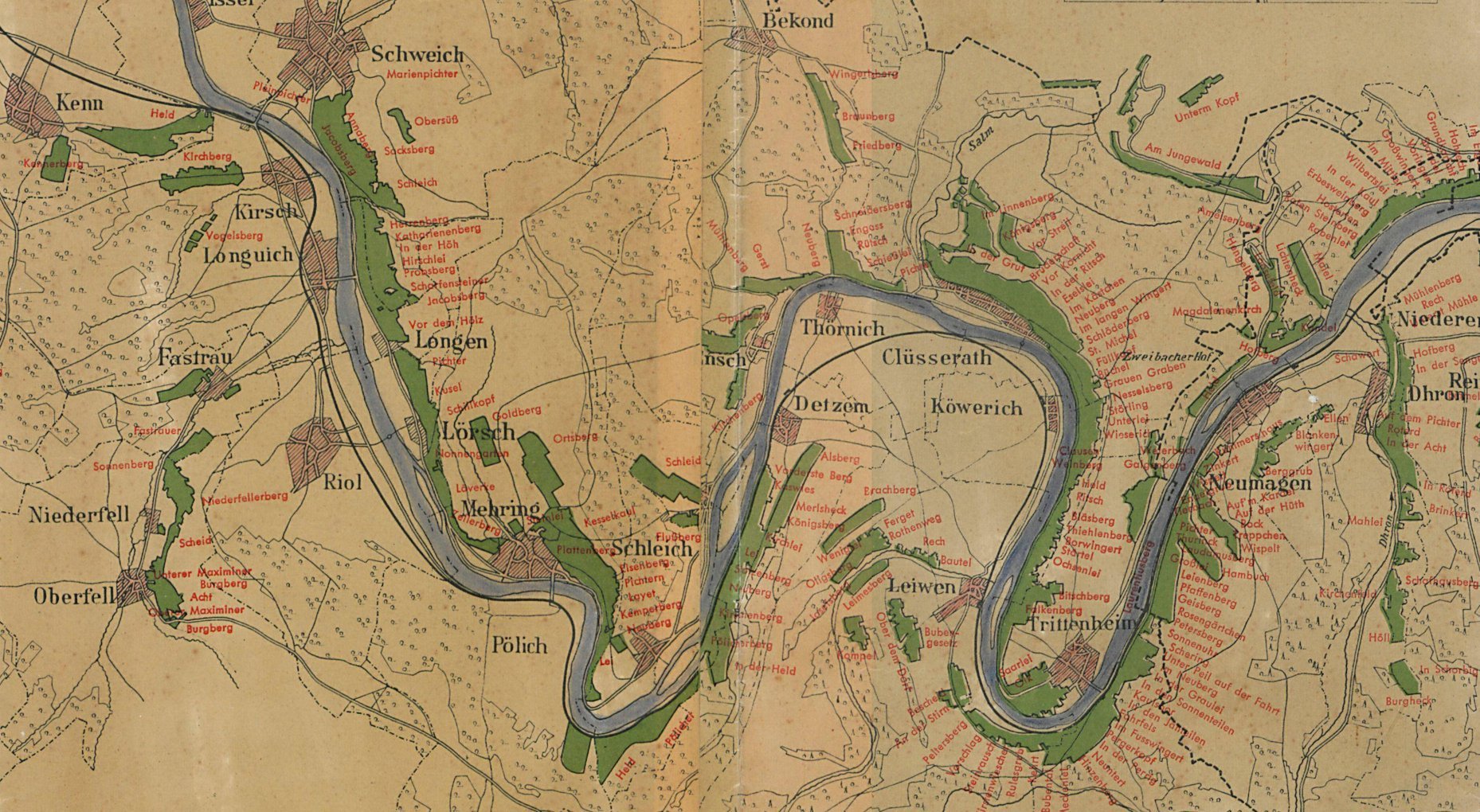
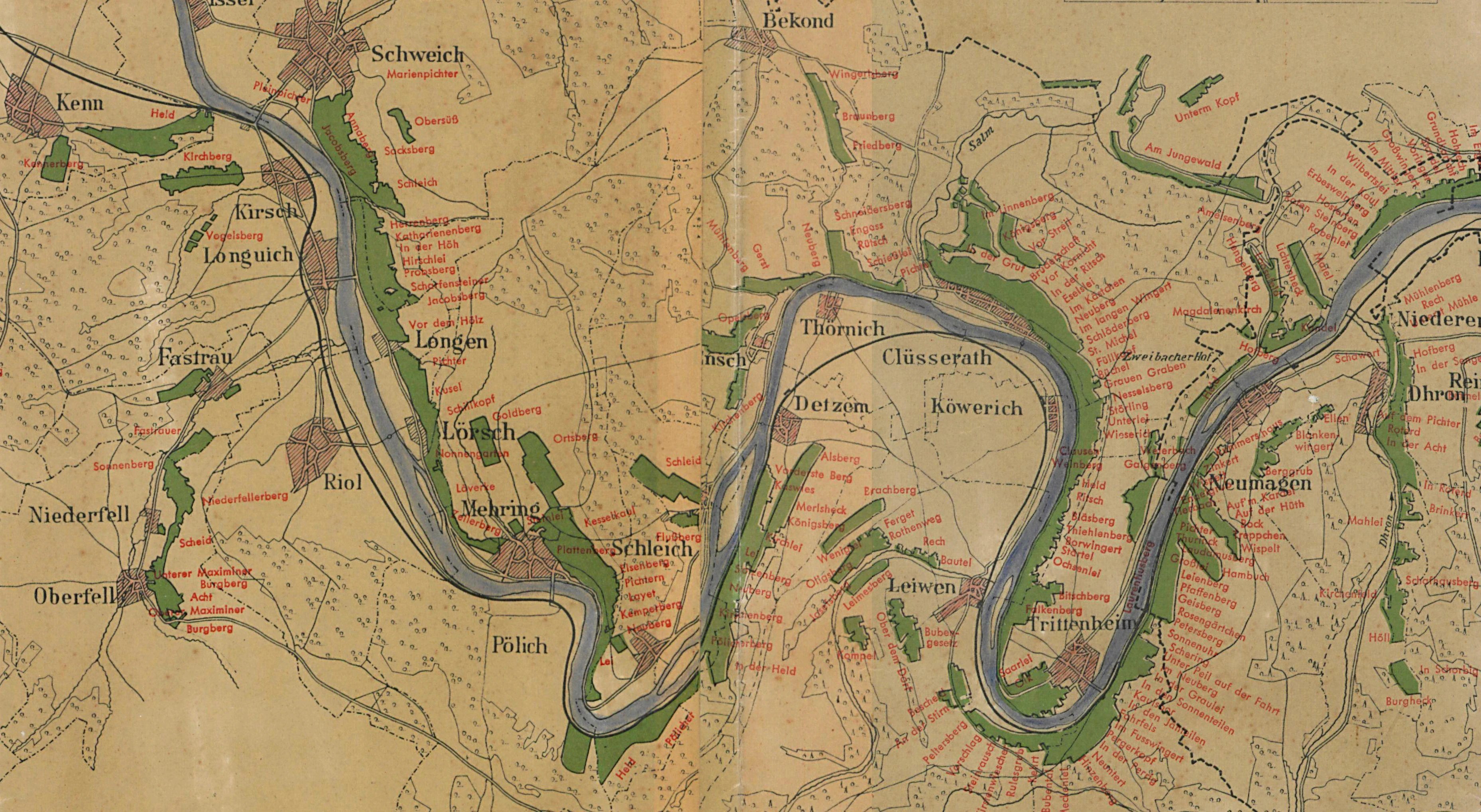
Schweicher Annaberg
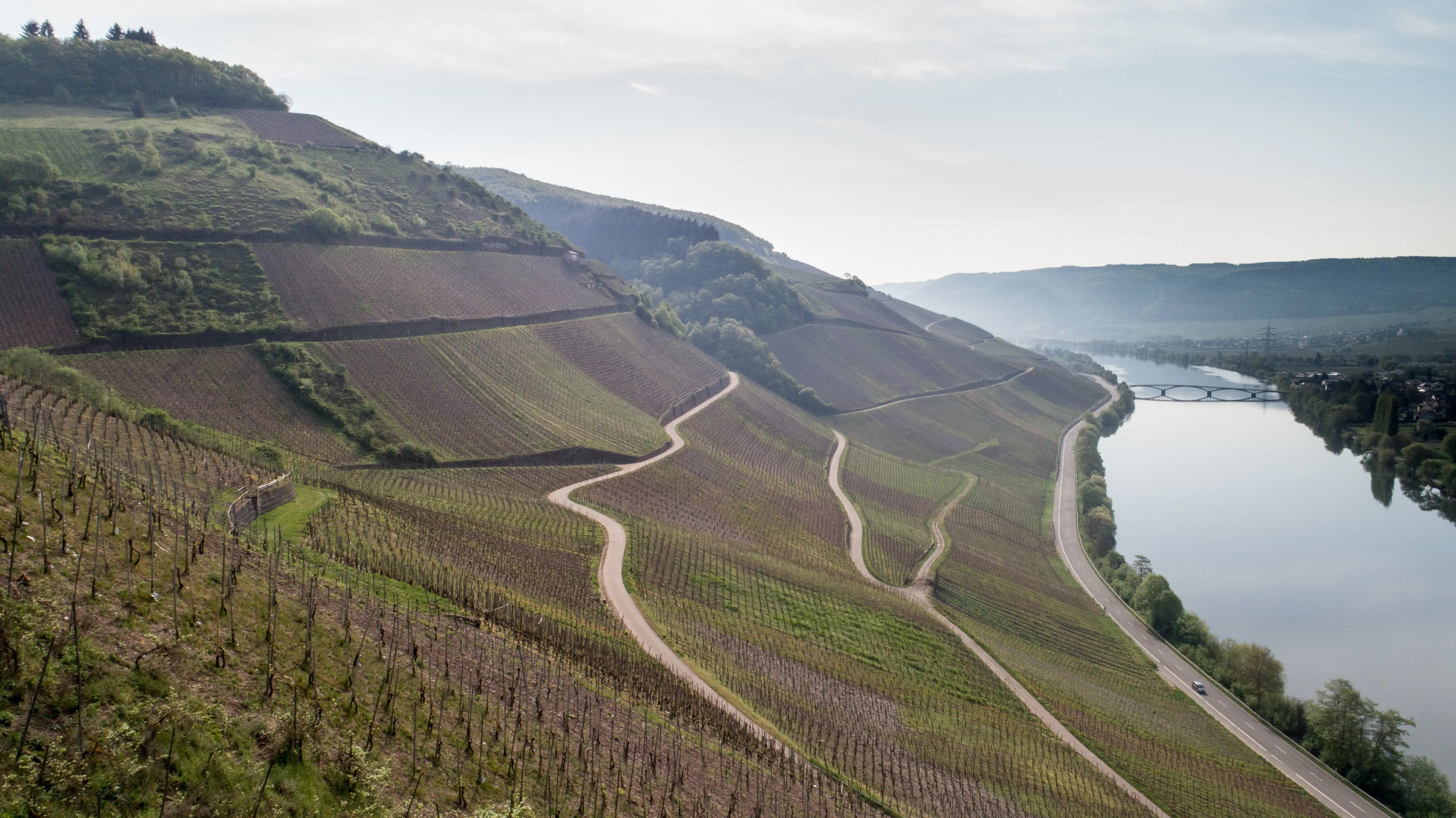
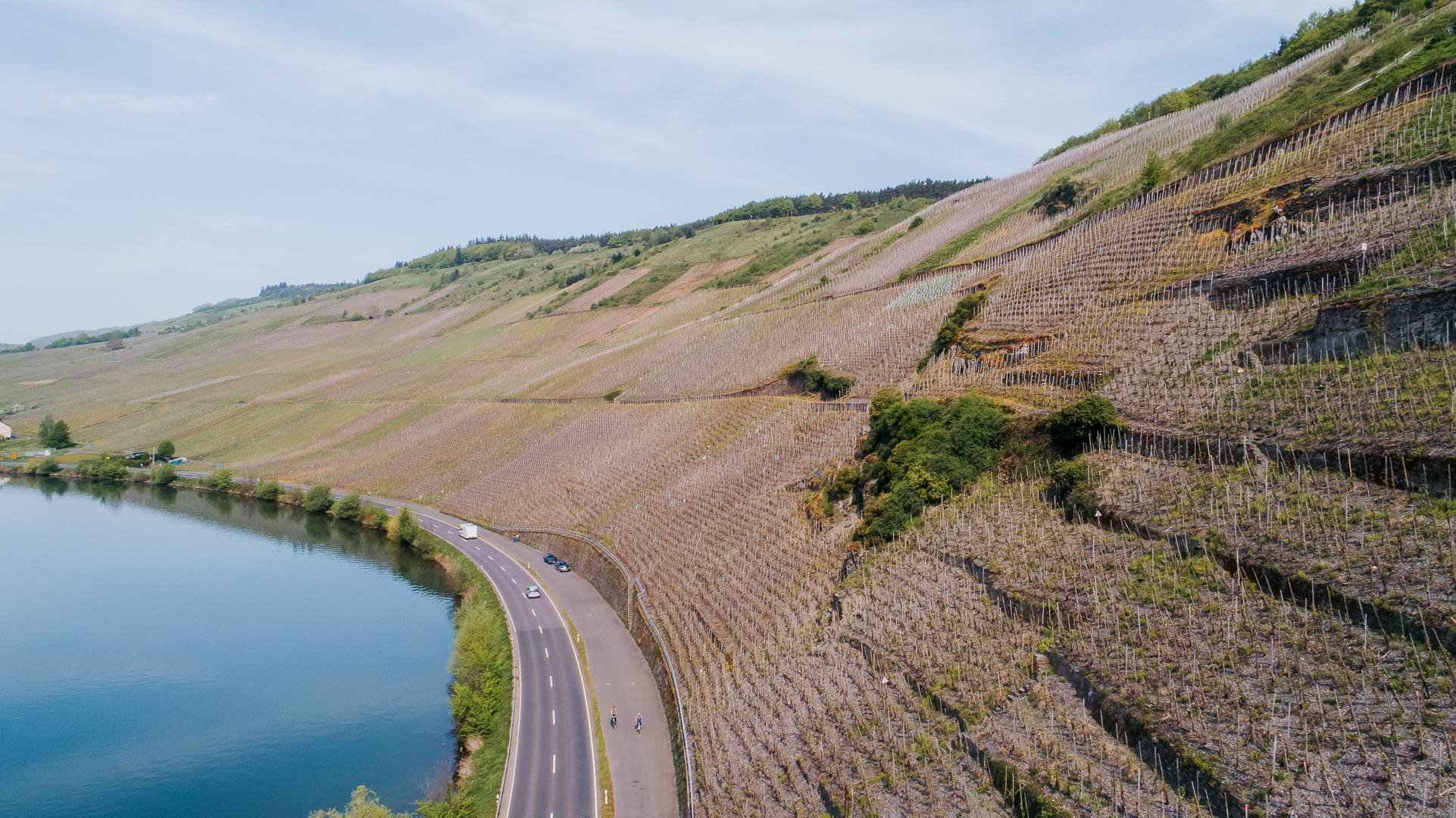
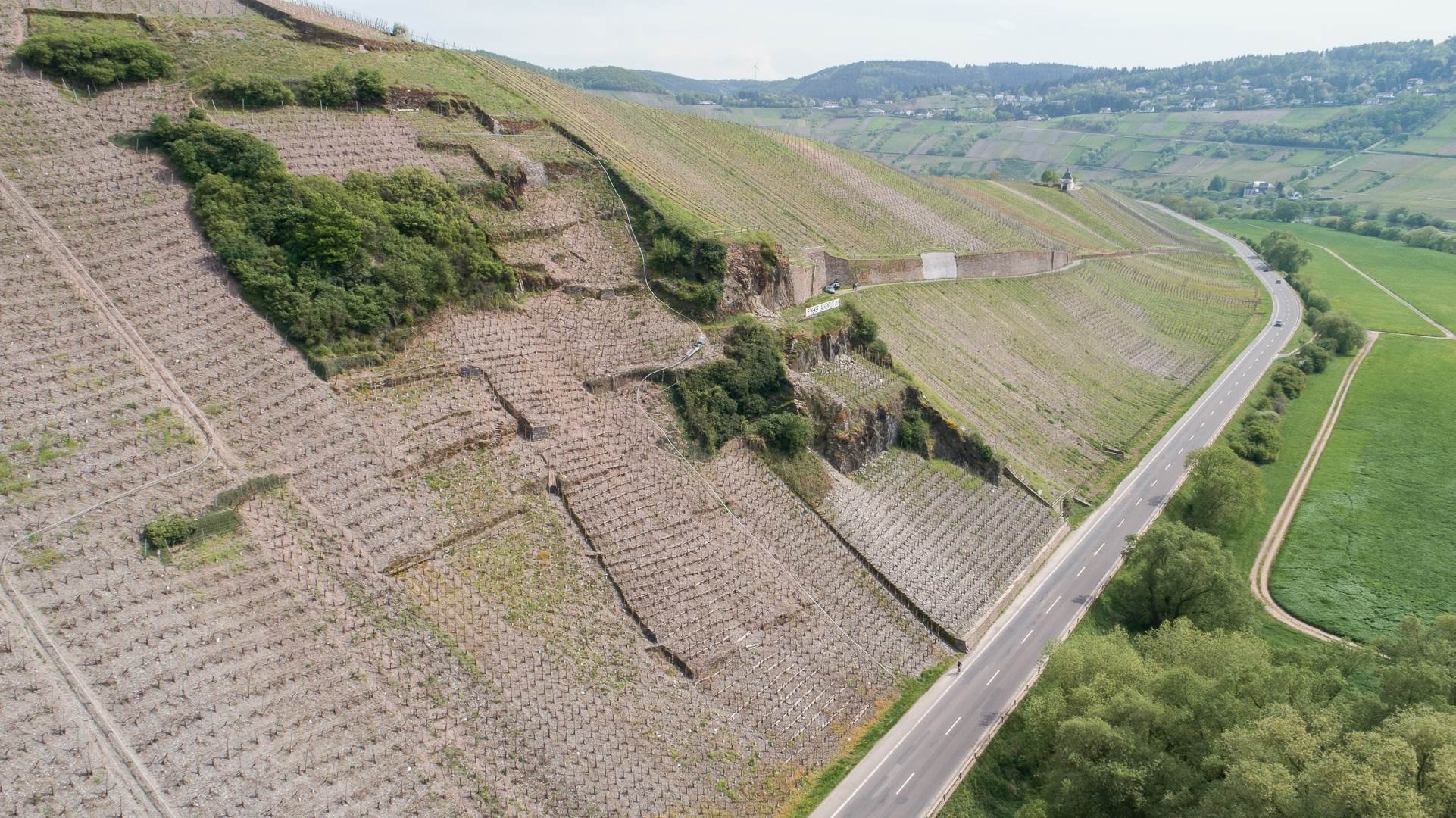
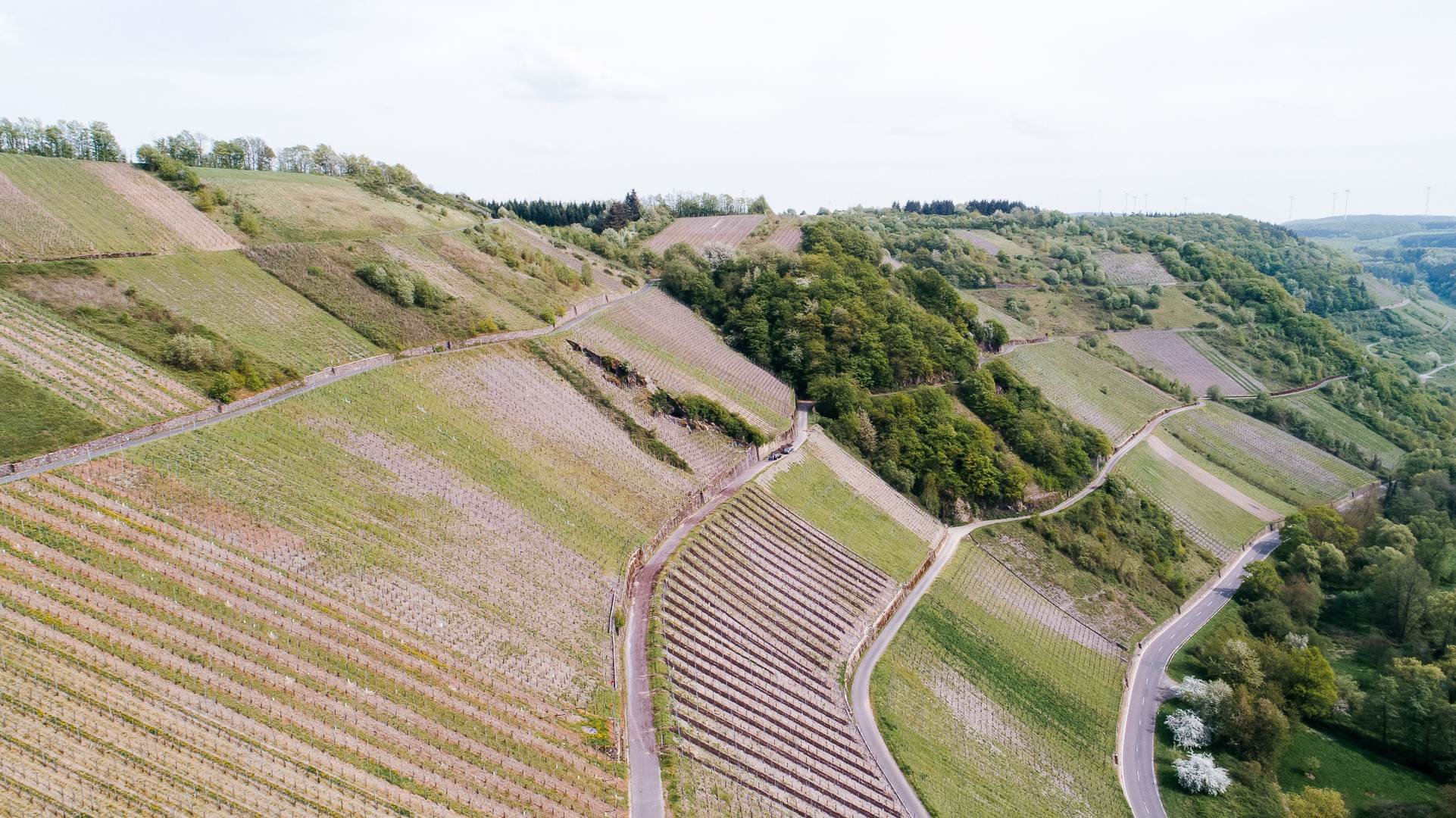
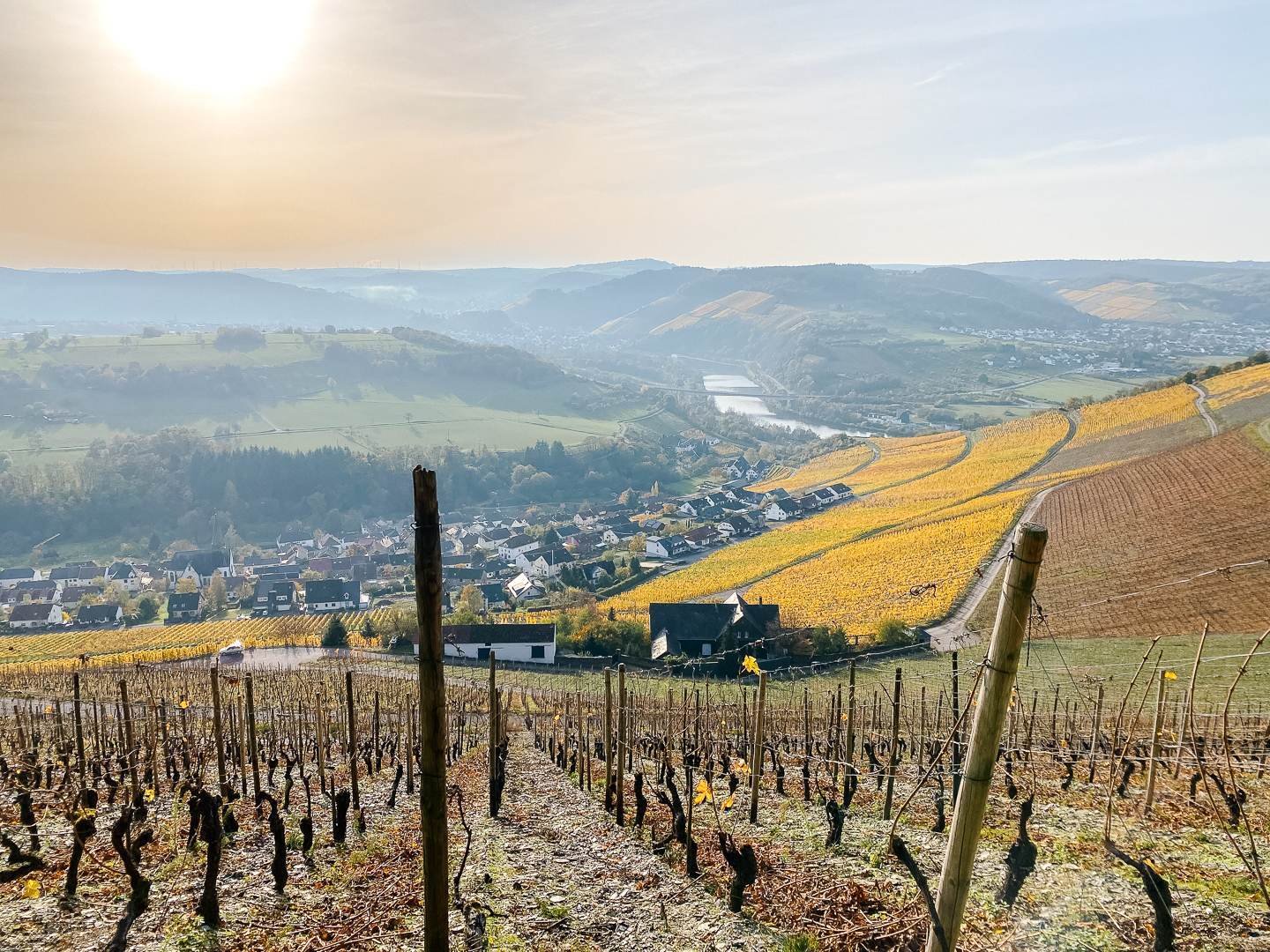
The Schweicher Annaberg is characterized by uncompromising southern exposure and impressive steepness. At slopes of up to 65 percent, our vines root in rare, red weathered clay slate – a geological peculiarity of the Mosel. This iron-rich slate intensely stores solar heat and reflects it into the grape zone.
The result is powerful, profound Rieslings with spicy character and pronounced, almost austere minerality. Old, ungrafted vines provide additional substance and length. The Annaberg stands for density, structure, and a distinctive signature that derives from its extraordinary soil formation.
The Schweicher Annaberg is characterized by uncompromising southern exposure and impressive steepness. At slopes of up to 65 percent, our vines root in rare, red weathered clay slate – a geological peculiarity of the Mosel. This iron-rich slate intensely stores solar heat and reflects it into the grape zone.
The result is powerful, profound Rieslings with spicy character and pronounced, almost austere minerality. Old, ungrafted vines provide additional substance and length. The Annaberg stands for density, structure, and a distinctive signature that derives from its extraordinary soil formation.
Mehringer Blattenberg
Directly above the Mosel, the Mehringer Blattenberg unfolds its strength in the interplay of proximity to the river and slate rock. Steep single-post vineyards on blue and gray slate force the vines to root deeply in the barren substrate. The immediate proximity to water has a temperature-regulating effect and brings a special clarity to the aroma.
Here, Rieslings with precise fruit, fine spice, and elegant, straightforward minerality are created. The Blattenberg impresses with transparency and finesse – a terroir that masterfully maintains the balance between ripeness and tension.
Directly above the Mosel, the Mehringer Blattenberg unfolds its strength in the interplay of proximity to the river and slate rock. Steep single-post vineyards on blue and gray slate force the vines to root deeply in the barren substrate. The immediate proximity to water has a temperature-regulating effect and brings a special clarity to the aroma.
Here, Rieslings with precise fruit, fine spice, and elegant, straightforward minerality are created. The Blattenberg impresses with transparency and finesse – a terroir that masterfully maintains the balance between ripeness and tension.
Leiwener Laurentiuslay
The Laurentiuslay is one of the most impressive steep slopes in the region. With slopes of up to 80 percent and prominent, exposed slate rocks, it shapes the landscape above the Mosel. Gray and blue Devonian slate define the terroir. The barren, rocky structure and the exposed southern location require consistent manual labor and the utmost care.
The wines reflect this origin: Rieslings with clear, focused fruit, lively acidity, and pronounced mineral depth. The Laurentiuslay stands for precision, tension, and an impressive salty note in the finish.
The Laurentiuslay is one of the most impressive steep slopes in the region. With slopes of up to 80 percent and prominent, exposed slate rocks, it shapes the landscape above the Mosel. Gray and blue Devonian slate define the terroir. The barren, rocky structure and the exposed southern location require consistent manual labor and the utmost care.
The wines reflect this origin: Rieslings with clear, focused fruit, lively acidity, and pronounced mineral depth. The Laurentiuslay stands for precision, tension, and an impressive salty note in the finish.
Dhroner Hofberg
Located in the cooler side valley of the Moselle, the Dhroner Hofberg benefits from an independent microclimate. The Dhron not only gives the location its name but also influences the temperature management during the growing season. Blue and gray slate form the basis for a slow, even ripening. The extended growing season preserves freshness and sharpens the aromatic profile.
Here, tight, finely structured Rieslings with vibrant acidity and crystalline minerality are created. The Hofberg is an expression of elegance and cool precision.
Located in the cooler side valley of the Moselle, the Dhroner Hofberg benefits from an independent microclimate. The Dhron not only gives the location its name but also influences the temperature management during the growing season. Blue and gray slate form the basis for a slow, even ripening. The extended growing season preserves freshness and sharpens the aromatic profile.
Here, tight, finely structured Rieslings with vibrant acidity and crystalline minerality are created. The Hofberg is an expression of elegance and cool precision.
Ockfener Bockstein
Situated on the Saar, the Ockfener Bockstein presents itself as an amphitheater-like steep slope above the village of Ockfen. Skeleton-rich Devonian slate and weathered graywacke characterize the stony, dark soils. The interplay of the cool Saar location and heat-retaining rock creates an extraordinary microclimate. Ripening occurs more slowly, allowing the aromas to be particularly differentiated.
The wines show clear fruit, lively acidity, and a distinctive, often salty-smoky minerality with floral nuances. The Bockstein stands for finesse, energy, and a distinctive origin from the Saar.
Situated on the Saar, the Ockfener Bockstein presents itself as an amphitheater-like steep slope above the village of Ockfen. Skeleton-rich Devonian slate and weathered graywacke characterize the stony, dark soils. The interplay of the cool Saar location and heat-retaining rock creates an extraordinary microclimate. Ripening occurs more slowly, allowing the aromas to be particularly differentiated.
The wines show clear fruit, lively acidity, and a distinctive, often salty-smoky minerality with floral nuances. The Bockstein stands for finesse, energy, and a distinctive origin from the Saar.